
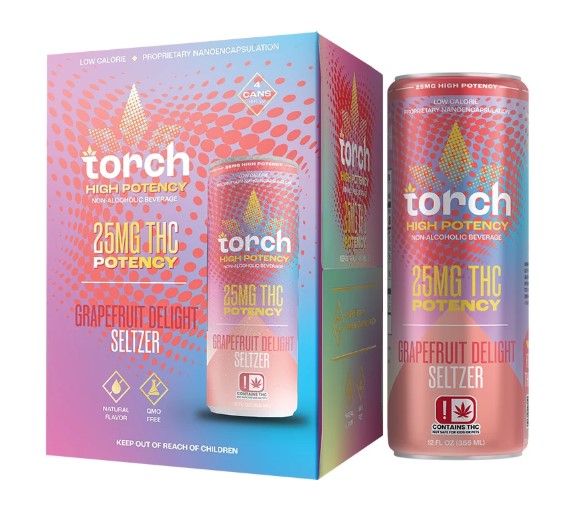
The development of infused beverages involves several important considerations beyond flavor and appearance. Cannabinoid stability and shelf life are particularly relevant because beverage ingredients can interact with different environmental and formulation conditions over time. Temperature, light exposure, packaging, acidity, and ingredient compatibility may all influence the characteristics of a finished product.
As interest in hemp infused drinks continues to expand, understanding product stability has become an important part of beverage research and quality assurance. Whether evaluating ingredient specifications or exploring torch hemp drinks, learning about shelf-life considerations provides useful context for understanding how manufacturers assess product quality.
Understanding Cannabinoid Stability in Infused Beverages
Cannabinoid stability refers to how well cannabinoid compounds maintain their chemical characteristics under specified conditions. In beverage formulations, stability assessments consider the interaction between cannabinoids, other ingredients, packaging materials, and environmental factors.
What Influences Cannabinoid Stability?
Cannabinoid compounds may undergo chemical changes when exposed to certain environmental conditions. Factors such as temperature, oxygen, light, and the surrounding formulation can influence their stability.
The degree of change depends on the cannabinoid, formulation, exposure conditions, and storage period. Therefore, stability cannot be established through a general assumption that all infused beverages behave identically.
For hemp infused drinks, manufacturers need product-specific information to understand how the formulation performs over time. Appropriate testing and documented storage conditions help establish a more reliable basis for evaluating stability.
Why Formulation Matters
The composition of a beverage can influence how its ingredients interact. Water-based formulations, acidic ingredients, sweeteners, flavoring components, and other additives may contribute different physical and chemical characteristics.
Cannabinoid ingredients also present formulation considerations because their compatibility with the beverage base may vary. Manufacturers evaluate these interactions when assessing product uniformity and stability.
This is one reason torch hemp drinks and other infused beverages require more than basic ingredient identification. Product-specific formulation assessments help determine whether the finished beverage maintains its intended specifications.
Key Factors That Influence Beverage Shelf Life
Shelf life describes the period during which a product is expected to maintain its specified quality under defined storage conditions. For infused beverages, several environmental and packaging-related factors can influence this period.
Temperature and Storage Conditions
Temperature is an important factor in beverage stability. Exposure to unsuitable temperatures may influence ingredient characteristics, flavor, appearance, and the overall quality of the product.
Storage requirements can vary depending on the beverage formulation and packaging. Manufacturers use product-specific stability assessments to determine appropriate storage conditions.
Consumers exploring hemp infused drinks should follow the storage instructions provided on the packaging rather than assuming every beverage has identical requirements. Product-specific guidance is more useful than general storage assumptions.
Light and Oxygen Exposure
Light and oxygen can contribute to chemical changes in certain beverage ingredients. Depending on the formulation, exposure may affect cannabinoid composition, flavor characteristics, and other product properties.
Packaging can help manage these environmental factors. Different materials provide different levels of protection against light and oxygen exposure.
Important packaging considerations include:
- Container material and compatibility.
- Light protection.
- Closure and seal integrity.
- Oxygen exposure.
- Product identification and storage information.
These characteristics are relevant when evaluating the expected shelf life of infused beverages.
The Importance of Emulsion and Ingredient Compatibility
Many infused beverages require careful consideration of how their ingredients are distributed throughout the liquid. Cannabinoid ingredients may not naturally behave like water-soluble beverage components, making physical compatibility an important formulation consideration.
Understanding Beverage Uniformity
Uniformity refers to how consistently ingredients are distributed within a finished beverage. Differences in ingredient compatibility may lead to visible separation, changes in appearance, or variations between portions of a product.
Manufacturers evaluate physical stability to understand whether a beverage maintains its intended appearance and composition under specified conditions.
For hemp infused drinks, uniformity is an important quality consideration because it relates to whether the finished formulation continues to meet its documented specifications throughout its intended shelf life.
Why Emulsion Stability Matters
Emulsions involve the distribution of ingredients that do not naturally mix uniformly. In beverage science, emulsion systems are evaluated according to their physical behavior and stability.
Changes in temperature, ingredient composition, and storage conditions may influence emulsion characteristics. Manufacturers therefore assess whether a formulation maintains its intended physical structure over time.
Testing may examine visible separation, particle distribution, and other relevant physical properties. These assessments help establish whether the beverage remains consistent with its product specifications.
How Manufacturers Evaluate Shelf Life
Shelf-life evaluation involves monitoring a product under defined conditions to understand how its characteristics change over time. It combines laboratory analysis, physical observations, and documented quality standards.
Stability Testing and Laboratory Analysis
Stability studies may examine cannabinoid concentrations, appearance, flavor, and other relevant product characteristics at different points during a specified period.
Depending on the formulation and applicable requirements, laboratory testing may include:
- Cannabinoid concentration measurements.
- Physical stability assessments.
- Appearance and color observations.
- Flavor and aroma evaluations.
- Relevant microbiological testing.
- Packaging compatibility assessments.
The results help manufacturers understand how a product behaves under the conditions included in the study. Shelf-life claims should be supported by appropriate product-specific evidence rather than assumptions.
The Role of Batch Documentation
Batch documentation connects laboratory findings with specific production records. This makes it possible to identify which formulation and production batch were evaluated.
Relevant records may include ingredient specifications, manufacturing information, laboratory reports, packaging details, and stability observations.
For consumers researching torch hemp drinks, batch-specific documentation can provide additional context about product composition and quality assessments. It also demonstrates why traceability is an important part of beverage manufacturing.
Packaging and Labeling Considerations for Infused Drinks
Packaging contributes to product protection, identification, and storage management. It should be evaluated alongside the beverage formulation because the container and its closure can influence exposure to environmental conditions.
Choosing Suitable Packaging Materials
Packaging materials must be compatible with the beverage they contain. Manufacturers consider factors such as material integrity, sealing performance, and potential interactions between the container and its contents.
The packaging design may also influence light and oxygen exposure. These considerations are especially relevant for products that contain ingredients sensitive to environmental conditions.
Suitable packaging assessments help establish whether the selected container supports the product’s documented storage requirements.
Clear Labeling and Storage Information
Accurate labeling helps communicate important product information. For infused beverages, this may include declared ingredients, cannabinoid content, batch identification, storage instructions, and relevant product details.
When comparing hemp infused drinks, consumers can review the label for:
- Complete ingredient information.
- Declared cannabinoid concentrations.
- Serving and package details.
- Batch identification.
- Expiration or best-before information, where applicable.
- Product-specific storage instructions.
Torch Hemp operates within a marketplace where clear product descriptions and appropriate labeling are important considerations for understanding infused beverage products.
What Consumers Should Know About Infused Beverage Shelf Life
Understanding shelf life requires looking beyond a printed date. Product composition, storage conditions, packaging, and supporting stability information all contribute to how manufacturers determine expected product quality.
Looking Beyond the Expiration Date
A date printed on a beverage package should be interpreted alongside the manufacturer’s storage instructions and product information. It is not a substitute for understanding how the product was formulated or evaluated.
Consumers should also avoid assuming that all infused beverages have the same stability characteristics. Different ingredients and packaging formats may produce different storage requirements.
When exploring torch hemp drinks, reviewing the available product information and following the stated storage guidance provides a more reliable approach to understanding shelf-life considerations.
Conclusion
Cannabinoid stability and shelf life are important aspects of infused beverage development. Temperature, light, oxygen, formulation compatibility, emulsion behavior, and packaging can all influence how a beverage maintains its intended characteristics over time.
As the market for hemp infused drinks develops, product-specific stability testing, batch documentation, and clear labeling remain essential quality considerations. These practices help manufacturers understand changes in cannabinoid composition, flavor, appearance, and physical consistency throughout a product’s intended shelf life.
Torch Hemp operates in a product category where ingredient transparency and reliable product information are valuable. Understanding the science behind beverage stability provides useful insight into the research, testing, and quality considerations involved in developing modern infused drinks.
